



Phone service for dementia

The right phone service for dementia depends on one question: do you want calls blocked, or answered?

“Phone service for dementia” covers two genuinely different products. One kind restricts who can reach the phone — screening scam numbers, limiting repeat dialing. The other kind, this one, leaves the number wide open and makes sure every call your loved one places actually gets answered: by you first, or by a warm approved voice when you can’t. Neither is wrong. They solve different problems.

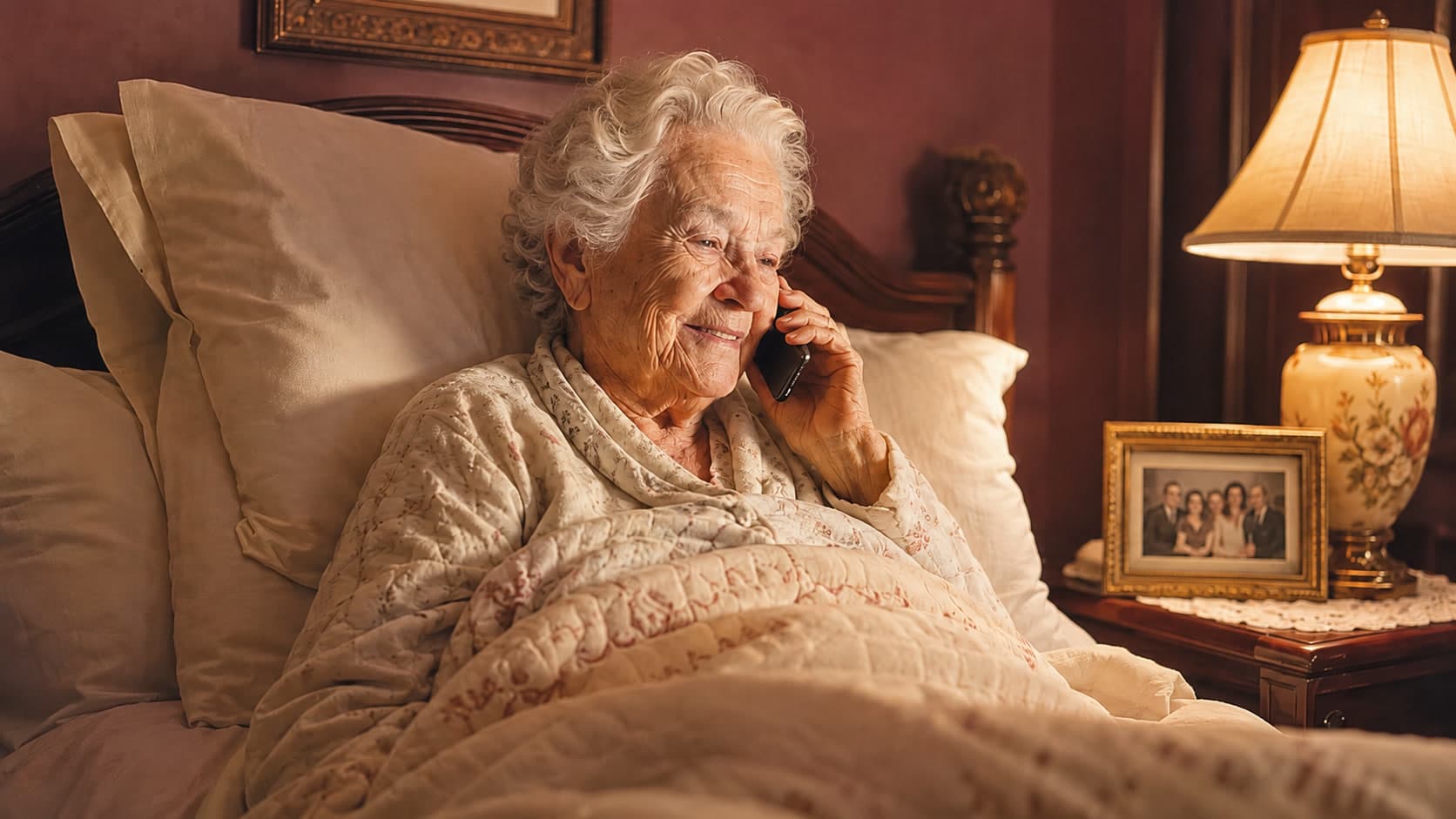
An older person, propped up in bed at night beside a lit lamp and a framed family photo, smiles while talking on the phone.

Two categories, named honestly

Call-blocking services

teleCalm is the best-known example: a flat $55-a-month dementia phone service that blocks repeat dialing, scam numbers, and repeated 911 dialing on the loved one’s phone. No AI, no answering — the job is deciding which calls the phone rings for at all.

A good fit when the core problem is unwanted or dangerous calls reaching them, or them repeatedly dialing out to the wrong numbers.

Call-answering lines

Stillwell works the other way. The phone number your loved one already saves under your name stays exactly as open as it is today. When they call it, it answers: you first, wherever you are, or a warm approved voice you set up when you can’t pick up. Flat price, no minute meter — see the plan comparison.

A good fit when the core problem is the call not getting answered — the ringer muted out of exhaustion, or a call landing on voicemail when what was needed was a voice.

What Stillwell actually does

One phone number, saved under your name, on the phone your loved one already has. No new app for them to learn, no device to charge, nothing new to remember. When they call, you can pick up from wherever you are — and on plans that include it, a warm voice you approved answers when you genuinely can’t, using only the facts you gave it. You see every call afterward. See how it works.

Questions families ask about this category

Does Stillwell block calls like other dementia phone services?

No. It doesn’t restrict, screen, or filter who your loved one can call or receive calls from — that’s a different category of product. It makes sure the number they already use gets answered every time they call it: by you first, or by a warm approved voice when you can’t.

What’s actually different between a call-blocking service and a call-answering line?

A call-blocking service changes who can reach your loved one’s phone — screening scam numbers, limiting repeat dialing. A call-answering line changes what happens when a call comes THROUGH: instead of ringing out or hitting a stranger’s voicemail, it gets picked up, warmly, every time.

Can I use Stillwell alongside a call-blocking app?

Generally yes — they solve different problems and don’t compete for the same job. A blocking app manages incoming and outgoing traffic on the phone itself. This line answers what comes in on the number your loved one already dials for you, without touching how the rest of their phone works.

Will this stop the phone from ringing all day?

It isn’t built as a blocking tool, so the number stays fully open. What tends to change is what happens after a call connects: a call that reaches a warm answer, live or approved-voice, tends to run its course rather than end unanswered and try again seconds later.

Ready to see if this is the right fit?

Flat plans, no minute meter, a real boundary on what the AI does and doesn’t say.