



Get ahead of dusk, not just the night
Turn on lamps before the room actually goes dim, close the blinds early, and keep the last hour or two of daylight calm and unhurried. The transition itself is often harder than any single hour after dark.
For the family whose phone rings loudest after dark
Because evening and night are often the hardest hours for someone living with dementia — caregivers call it sundowning — as daylight fades, familiar cues fade with it, and confusion or unease can build right when the house goes quiet. That’s exactly when the calls come: right as the day loses its shape, and again in the small hours if sleep breaks and the room doesn’t look like anywhere they recognize. It isn’t random, and it isn’t something you missed. It’s the hardest stretch of the day arriving on schedule, the way it does most nights.

It means the hardest hour arrived, the way it does most nights. You’re allowed to be exhausted by that without it meaning you’re failing anyone. The muted ringer trades the noise for guilt — it doesn’t make the worry go away, for either of you. The better trade is a number that answers the calls you cannot take yourself, without treating it as failure-proof.
Turn on lamps before the room actually goes dim, close the blinds early, and keep the last hour or two of daylight calm and unhurried. The transition itself is often harder than any single hour after dark.
Same meal time, same wind-down, same show or song. When the day’s memory is unreliable, a repeated routine gives them something to lean on that doesn’t depend on remembering.
A late afternoon nap or an evening coffee can push restlessness later into the night. Small, boring adjustments here often do more than anything said in the moment.
At 3am, "it’s the middle of the night" rarely lands the way it would for you. A calm, reassuring voice does more than a correction — the goal is comfort, not agreement on the time.
Stillwell is testing a dedicated number that answers, any hour, in a voice they know. Call metadata and a short summary can be shown after tested flows.
Chronic interrupted sleep isn’t sustainable for anyone. Planning even one night you know won’t be broken — with someone or something else covering it — is part of caring for them well, not a step back from it.
None of this promises quiet nights. It’s companionship and connection at the hour memory holds least steady — and real rest for you, which the whole household needs to make it to morning.
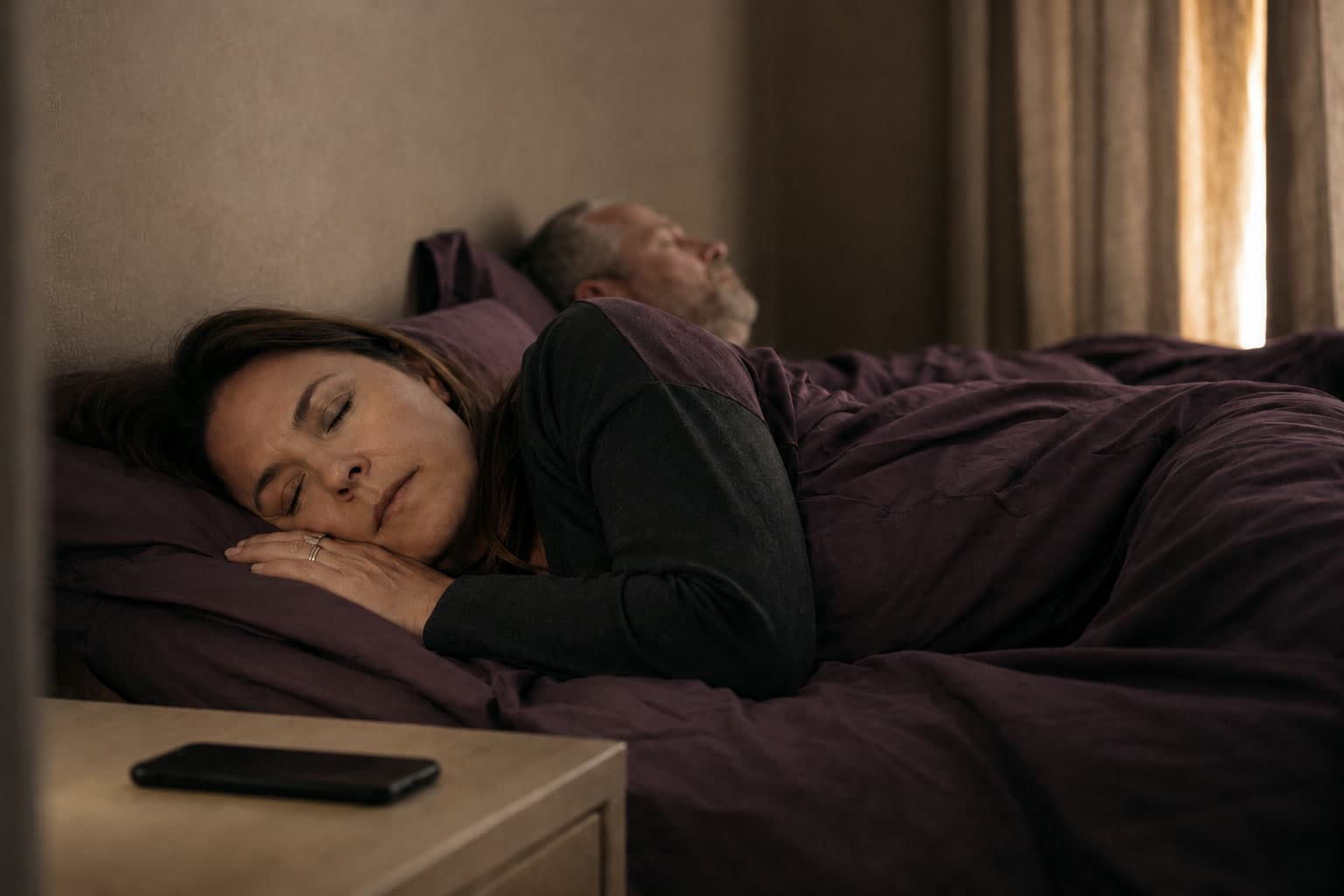
The line answers the late call while you rest, in a voice they know. What that sounds like depends on your household’s plan and consent setup.
The name caregivers use for confusion, restlessness, and unease that tend to build in someone with dementia as daylight fades. It isn’t universal and it isn’t constant, but for many families it is the single most predictable hard stretch of the day — right around dusk and into the evening.
Sleep is often lighter and more fragmented in dementia, so someone can wake fully alert in the middle of the night with no daylight cues to explain where the day went. Reaching for the one number they trust is often the most reliable thing left to do in that moment — which is exactly why it happens at the hour you’re least able to pick up.
No. A quick, warm answer closes the moment of fear faster than letting it ring out ever does. What wears a pattern down over time is routine and rest for both of you, not withholding an answer.
You need rest. The line answers in your place, in a voice they know, so the call doesn’t go unanswered while you sleep. In the morning you get the plain details of the call and a short written summary.
One number, saved under your name. Read the three steps or go straight to plans and pricing.